







Search Results for: Coffee exports
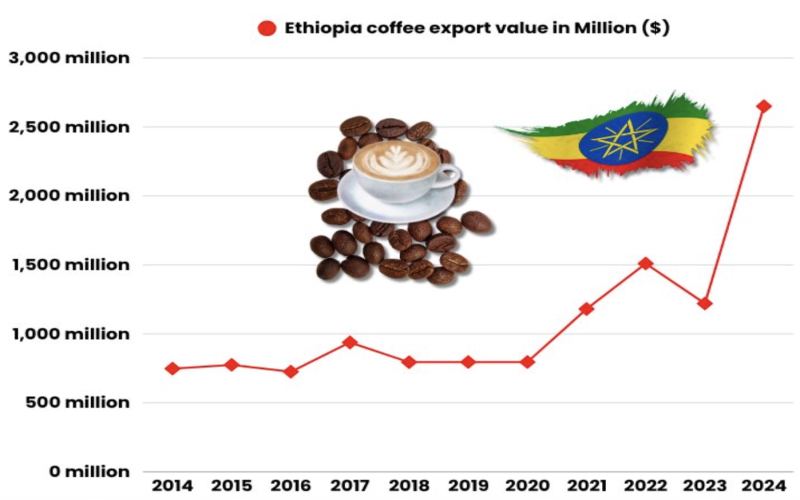
2024-2025 Ethiopia Coffee Export Report: Ethiopia's Main Coffee Export Destinations and Production
Ethiopia is not only the birthplace of Arabica coffee but also one of the world's major suppliers of high-quality coffee beans. Coffee occupies a central position in Ethiopia's economy, culture, and trade. In 2024-2025, Ethiopia's coffee export volume and export revenue both reached historic highs, marking [more…]
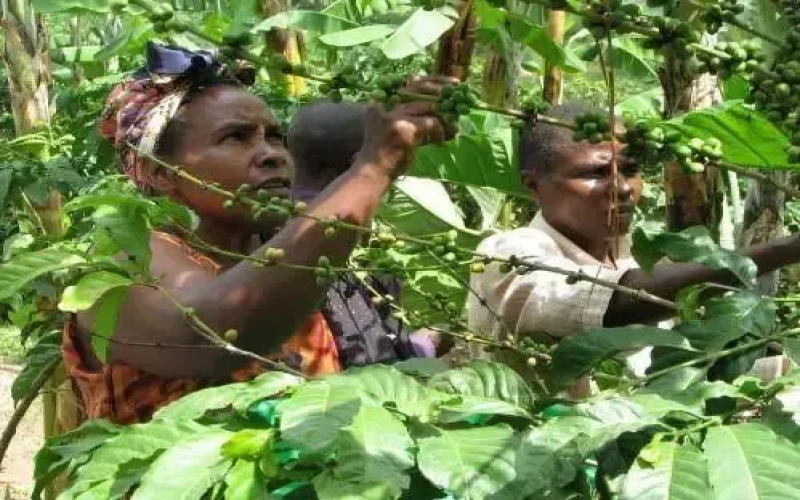
Uganda's Coffee Exports Rise in Both Volume and Price, China-Africa Cooperation Boosts New Opportunities for Trade with China
Uganda, as an important coffee-producing country in Africa, has recently delivered impressive export results. In the 2023/24 fiscal year, the country's total coffee exports exceeded 6.13 million bags, with export value reaching US$1.144 billion, representing year-on-year growth of 6.33% and 35.29% respectively. This growth has benefited both from rising international coffee prices and from the EU's upcoming deforestation-free regulation and tight supply from Vietnam. At the same time, China-Uganda agricultural cooperation continues to deepen, and the Forum on China-Africa Cooperation is expected to open a broader Chinese market for Ugandan coffee. This article will review the latest data on Uganda's coffee exports, variety performance, and future prospects, and bring relevant recommendations from Front Street Coffee. [more…]
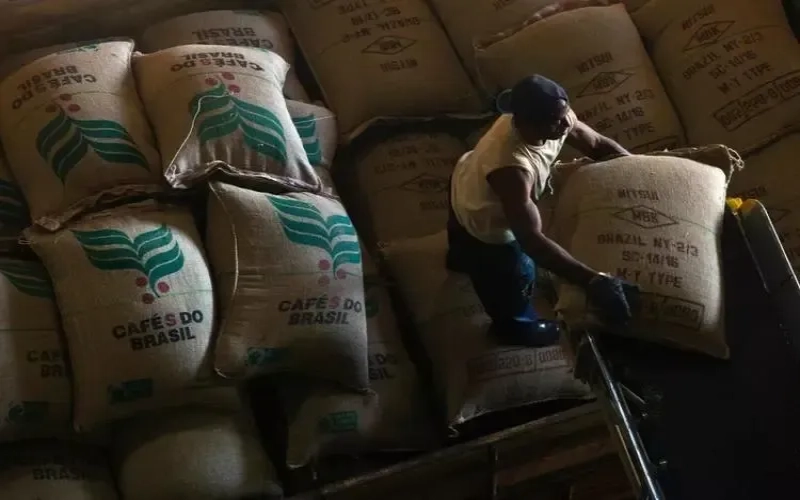
Brazilian Coffee Exports Hit New High Again, Tax Policy Adjustments May Become a Future Concern
The latest report from the Brazilian Coffee Exporters Council shows that Brazil's coffee exports reached 4.397 million bags in May, setting a new record for the month, with a year-on-year increase of nearly 80%, and foreign exchange earnings also hitting a historic high. Cumulative exports in the first 11 months of the 2023/24 harvest year have approached a historic peak, and this year is expected to break the cycle record. The surge in robusta coffee exports has become a highlight, but the La Niña phenomenon in the second half of the year may bring the threat of drought, and coupled with the Brazilian government's new rules tightening tax credits, this may put pressure on the cash flow and global competitiveness of exporting companies. [more…]
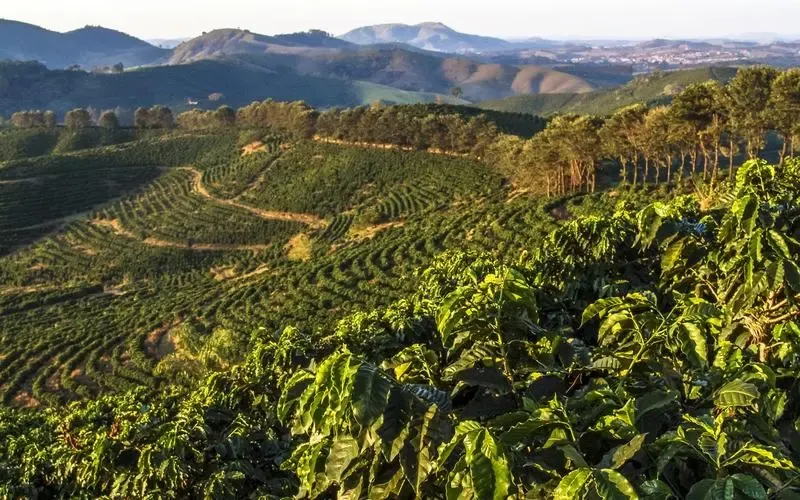
Brazil's April coffee exports surged 53.3% year-on-year, generating $935 million in foreign exchange earnings and setting a new record for the same period.
Latest data from the Brazil Specialty Coffee Association (Cecafe) shows that Brazil's coffee exports performed strongly in April this year, with a total of 4.222 million 60-kg bags exported, up 53.3% year on year, setting a record high for that month and generating US$935.3 million in foreign exchange earnings, an increase of 52.6% year on year. In the first four months of this year, cumulative exports reached 16.242 million bags, with revenue of US$3.444 billion, both setting all-time records. Arabica still accounted for 76.77% of total exports, while robusta export volume rose 528% year on year. Tight global supply, reduced production in Vietnam and the Red Sea crisis pushed up market demand and coffee prices. However, severe delays at major ports such as Santos, combined with the risk of frost in the south, mean subsequent exports still face the dual challenges of logistics and weather. [more…]

The African Coffee Association calls for increasing the share of specialty process coffee exports and reducing traditional process exports.
At the 20th African Fine Coffee Conference held in Addis Ababa, officials from the African Coffee Association (AFCA) issued a clear call to traders: efforts should focus on promoting the export of specialty-processed coffee and gradually reducing the share of traditionally processed coffee in the international market. AFCA pointed out that Africa possesses world-class coffee resources, yet weak marketing and a single processing approach have made it difficult for growers to obtain fair returns. To change this situation, the association recommends that exporting countries strengthen brand building, upgrade processing technology, and pay close attention to external factors such as the EU Deforestation Regulation. Africa's coffee industry stands at a crossroads of transformation, and how to break through amid climate change and market access challenges has become the focus of attention for all parties. [more…]
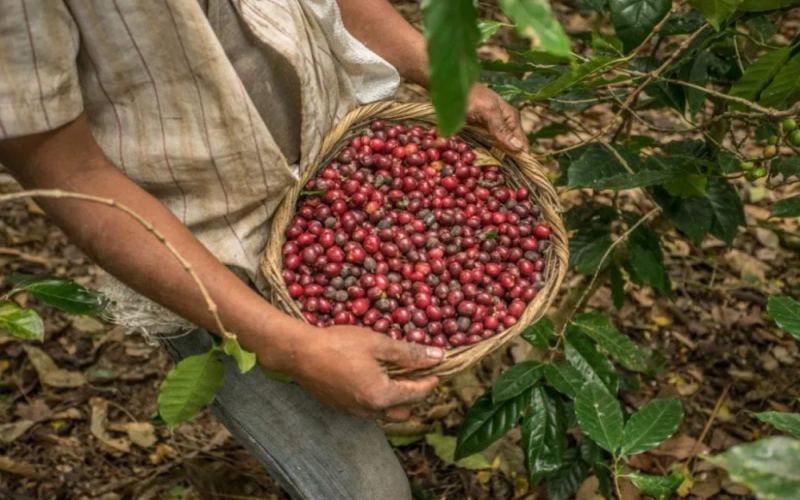
Honduras coffee export volume rises while prices fall, approval for direct supply to China may become a new growth point
Honduras, as the largest coffee producer in Central America, has recently presented a complex situation of rebounding export volumes but declining revenue. In February 2024, Arabica sales increased by 26% year-on-year, yet export earnings fell by 20% in the first four months of this harvest season. Against the backdrop of traditional buyers being concentrated in seven countries across Europe, the Americas, and Asia, Honduras is actively seeking market diversification. As China allows direct imports of its green coffee beans and more companies obtain certification for exports to China, this Central American country's coffee industry has welcomed new opportunities. The expansion of cafes in Chinese cities and rising demand among young consumers have injected strong momentum into Honduras's coffee exports. [more…]
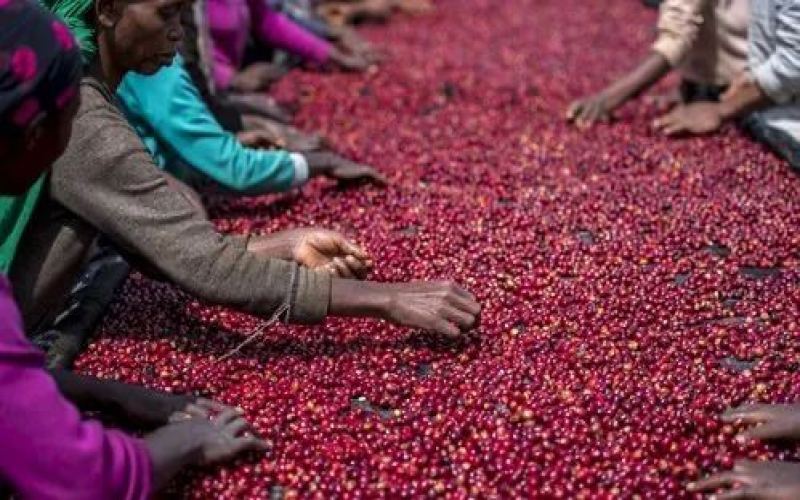
Ethiopian coffee exports earn $570 million in half a year, seeking a way out through the Somaliland port agreement
The latest data from the Ethiopian Coffee and Tea Authority shows that in the first half of the 2023/24 fiscal year, the country's coffee exports reached 117,900 tons, with export revenue exceeding US$570 million. As one of Africa's most important coffee-producing countries, Ethiopia's coffee industry is facing the dual test of global market volatility and regional conflict. At the same time, in order to escape the predicament of being a landlocked country and broaden its export channels, Ethiopia signed a port lease memorandum of understanding with Somaliland, obtaining a 50-year right to use the Port of Berbera in exchange for recognizing Somaliland's independence. This article will review the latest developments in Ethiopia's coffee exports, the challenges it faces, and the far-reaching impact of this port agreement on the country's coffee trade. [more…]
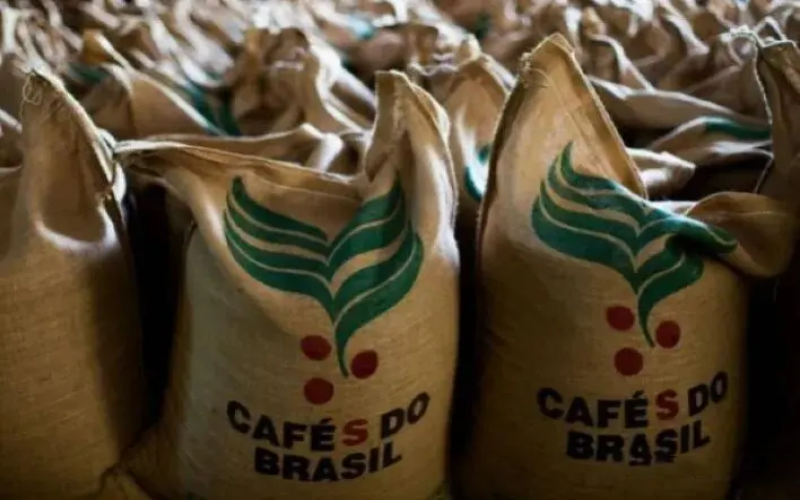
Brazil's CECAFÉ reports a strong 39% surge in January coffee exports, with robusta skyrocketing fivefold, and a positive outlook for the new crop season.
The latest report from the Brazil Specialty Coffee Association (CECAFÉ) shows that Brazil's coffee exports got off to a strong start in January, with exports of 60-kg bags reaching 3.961 million bags, up 39% year-on-year, while foreign exchange revenue rose 30.4% in tandem to US$802.5 million. Robusta exports surged 503.5%, becoming the main growth engine, while Arabica and instant coffee also maintained stable shares. Despite ongoing logistics challenges such as the Red Sea shipping crisis, drought in the Panama Canal, and strikes at Brazil's Santos port, Brazil's coffee exports still showed resilience. Notably, major Robusta-producing countries such as Vietnam experienced supply gaps due to drought and delivery issues, creating substitution opportunities for Brazil. International investment bank Itaú BBA predicts that Brazil's coffee production in the 2024/25 season is expected to reach 69.4 million bags, up 4.6% from the previous year. Front Street Coffee will also continue to monitor Brazil coffee market trends and bring fresh information to enthusiasts. [more…]
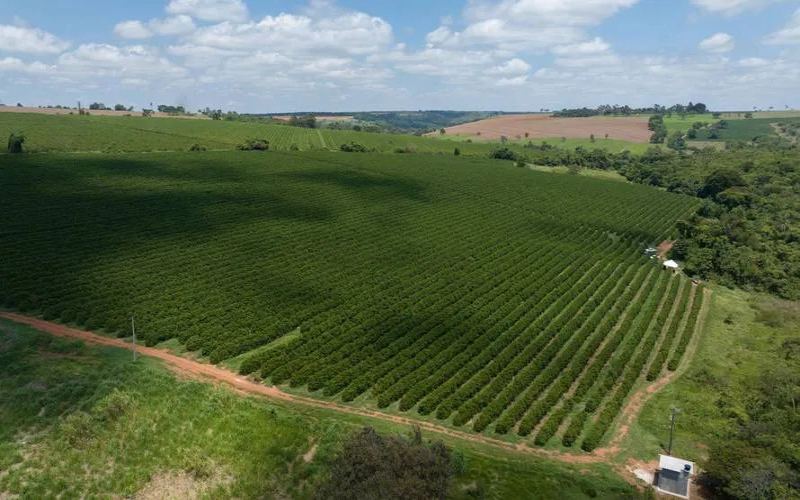
Brazil's November Coffee Exports Up 5.4%, Strikes and Logistics Hurdles May Weigh on Subsequent Shipments
According to the latest data from the Brazil Coffee Exporters Council, Brazil's coffee exports reached 4.662 million bags in November, up 5.4% year-on-year, while export revenue surged 62.7% due to rising international prices. Cumulative exports in the first 11 months of this year have set a new historical record, but fell month-on-month, as producers slowed sales amid higher futures, exchange rate fluctuations and uncertainty over the new crop season. At the same time, port logistics bottlenecks and an indefinite strike by customs auditors from the Federal Revenue Service are bringing additional costs and delay risks to the export chain. With both Brazil and Vietnam troubled by drought and global supply tightening, Arabica and Robusta futures continue to climb, and coffee prices are expected to remain high in the short term. Follow origin developments, and Front Street Coffee will continue to bring frontline news. [more…]
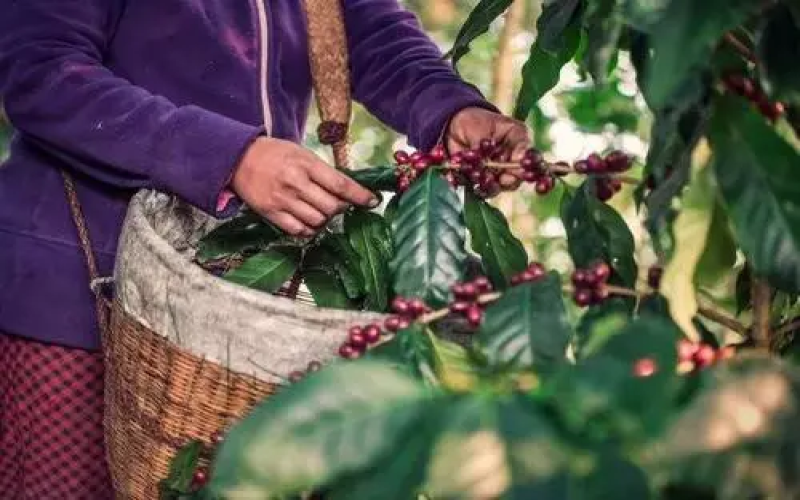
Under the dual impact of climate shocks and market downturn, El Salvador's coffee export volume and value have plummeted, with Chinese demand emerging as a potential bright spot.
Due to a combination of extreme weather, falling coffee futures prices and labor shortages, El Salvador's coffee bean export volume and export value both fell sharply in the first four months of the 2023/24 harvest season. According to a report by the Salvadoran Coffee Institute, export volume fell by nearly 47% year-on-year, export value dropped by more than 50%, and in January alone export value plunged by more than 90%. The United States remains the largest buyer, but Italy, Saudi Arabia and other countries follow closely behind in share. The decline in production is directly related to drought and extreme rainfall caused by the El Niño phenomenon. At the same time, El Salvador's coffee exports to China are on the rise, with 13 trading companies having completed registration in China, and the industry is optimistic about the potential of the Chinese market. Front Street Coffee continues to follow developments in the producing regions and bring frontline news to enthusiasts. [more…]
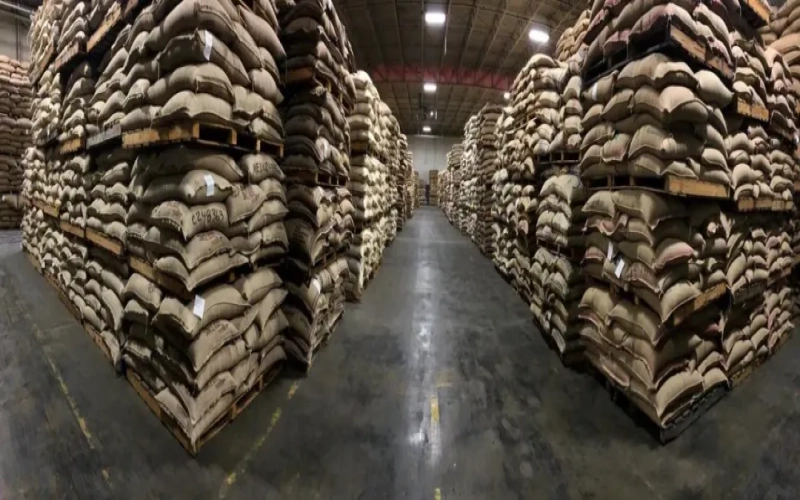
Brazil’s Coffee Exports Rose Nearly 50% in July, but Port Delays Caused $300 Million in Losses
The July report from the Brazilian Coffee Exporters Council (Cecafe) shows that coffee exports for the month reached 3.774 million bags, up 25.7% year-on-year, with foreign exchange revenue of US$932.5 million, an increase of 47.9%, with robusta performing especially strongly. In the first seven months of 2024, cumulative exports reached 2.8146 million bags, up 46.3% year-on-year. However, major ports such as Santos continued to face congestion, and 1.262 million bags of coffee were not shipped in July, causing losses of about US$313 million, while traders' additional costs totaled 7.456 million reais. Severe weather further exacerbated the delays, posing a threat to the international reputation and long-term development of Brazilian coffee. [more…]
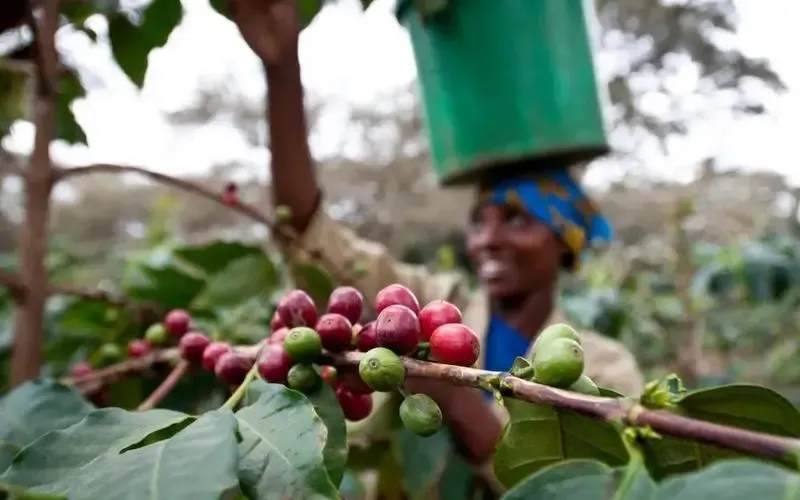
Ethiopia's May Coffee Exports Exceed Targets, but Civil War and Red Sea Crisis Weigh on Prospects
The latest data from the Ethiopian Coffee and Tea Authority shows that the country's coffee exports in May reached 43,481.02 tons, exceeding the target by 105% and generating 209.54 million US dollars in revenue. In the first 11 months of this fiscal year, cumulative exports reached 252,466.98 tons, with foreign exchange earnings of 1.208 billion US dollars, on track to break last fiscal year's record of 1.3 billion US dollars. Saudi Arabia, South Korea and the United States top the list of export destinations, while China's imports continue to grow. However, the ongoing civil war in Amhara region, the government's large-scale military deployment, and the Red Sea shipping crisis are casting a shadow over this landlocked country's coffee exports. Front Street Coffee continues to follow developments in the producing regions, bringing frontline news to enthusiasts. [more…]

Myanmar Plans to Add 279,000 Acres of Coffee Plantations in 2024, Export Channels and Capacity Bottlenecks Remain to Be Resolved
The Myanmar government recently announced an ambitious coffee expansion plan, aiming to increase coffee planting area by 279,000 acres in 2024, with a longer-term goal of expanding to 300,000 acres. Meanwhile, the Myanmar Coffee Association has received purchase orders from 11 countries, including the United States, the Netherlands, and France, and the export layout for the new crop season is being advanced. However, limited export channels, a high proportion of border trade, and previous disruptions from armed conflict have added uncertainty to this expansion plan. This article reviews Myanmar's coffee industry expansion plans, production and sales status, and export challenges, and includes Front Street Coffee's perspective on related producing regions. [more…]
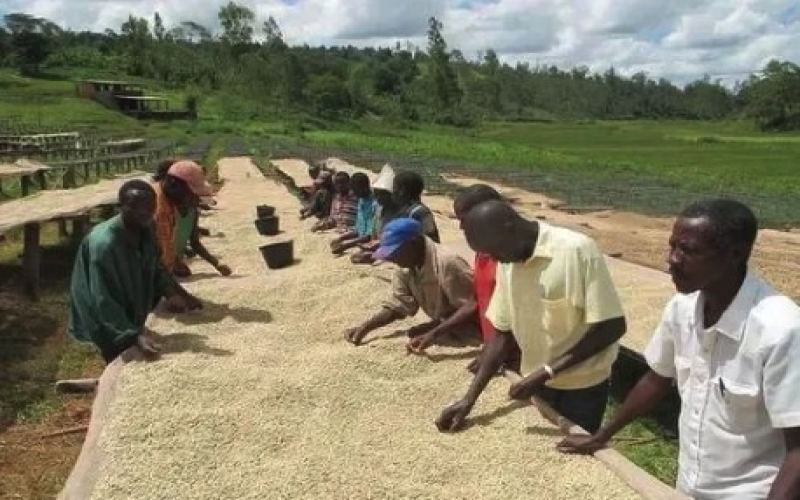
Officials of the African Coffee Association urged traders to specially handle the export of special processing method coffee.
Traders of the special processing method coffee should reduce the export of coffee with traditional processing methods. From February 6th to 10th, the 20th African Fine Coffee Conference and Exhibition was held in Addis Ababa, the capital of Ethiopia [more…]
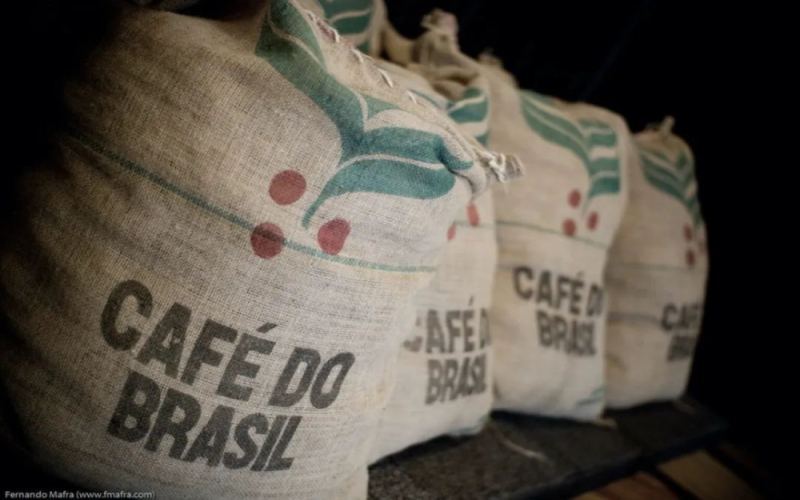
Brazil's coffee exports set a new single-month record in October—what lies ahead amid the dual challenges of logistics and climate?
The latest report from the Brazilian Coffee Exporters Council shows that although about 2.1 million bags of coffee beans were stranded at ports due to logistics problems at the end of September, Brazil's coffee exports in October still bucked the trend to hit a monthly record high of 4.926 million bags, up 11.6% year on year, with total export value reaching US$1.393 billion. Germany became the largest importer of Brazilian coffee beans in the first 10 months of this year, importing 6.64 million bags in total, accounting for 23.9%. However, multiple factors such as port congestion, ship delays, historic drought and forest fires, and the depreciation of the real are still constraining the subsequent development of Brazil's coffee industry, and the production and export prospects for the new crop season face uncertainty. [more…]

Indonesia Plans to Follow Nickel Ore Model by Banning Raw Coffee Exports, Potentially Reshaping Global Supply Dynamics
Indonesian President Joko Widodo revealed at the 2024 BNI Investor Daily Summit that the government is considering banning the export of unprocessed agricultural products such as coffee and cocoa to advance its resource downstreaming strategy. If implemented, this policy will directly affect the export volume of the world's fourth-largest coffee-producing country, thereby driving up international coffee prices. It is worth noting that Jamaican Blue Mountain coffee had a similar precedent, but it was eventually relaxed due to trade liberalization. Indonesia's domestic consumption is robust, with exports accounting for more than half, and whether the deep-processing policy can be smoothly implemented remains in question. This article reviews the policy background, historical cases, and market impact for the reference of coffee enthusiasts. [more…]
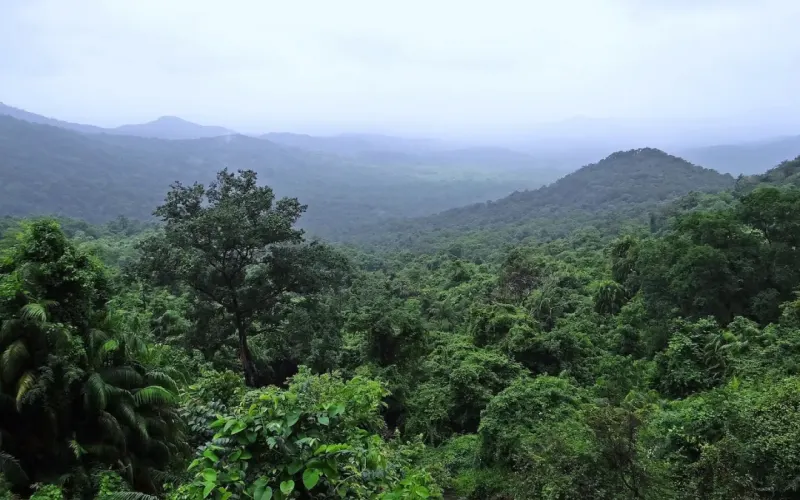
India's coffee exports grow 13% year-on-year, Red Sea crisis looms as a concern
India, as the first country in Asia to cultivate coffee, ranks sixth in the world in production. Recently, affected by heatwaves and drought in Vietnam, the supply of Robusta coffee beans has tightened, driving up global coffee prices and bringing growth opportunities for Indian coffee exports. In the first quarter of 2024, India's coffee exports increased by 13.35% year-on-year to 125,600 tons, mainly driven by rising global demand, especially strong demand for Robusta. Indian Robusta is cultivated in a specialty manner, with higher quality, and prices have risen accordingly. However, behind the surge in exports lie hidden concerns: some growers are unwilling to deliver at the originally agreed order prices, which may affect traders' confidence; at the same time, the Red Sea crisis continues, and India's imports and exports are highly dependent on that route. Diverting around the Cape of Good Hope will significantly increase transportation costs, posing a challenge to India's coffee trade. [more…]
Overview of Ethiopia's Coffee Industry: A Comprehensive Analysis from Planting Traditions to the EXC Grading and Export System
Ethiopia is the birthplace of coffee and the primary producer of Arabica coffee in Africa. This article systematically reviews Ethiopia's coffee-growing environment and traditions, production and processing methods, grading and quality control system, and export trade landscape. It provides a detailed introduction to three cultivation models—forest coffee, semi-forest coffee, and garden coffee—as well as two processing methods: washed and natural. It also explains the operational mechanism of the EXC grade classification export system. At the same time, it profiles the regional characteristics and flavor profiles of world-renowned Ethiopian coffee regions such as Limu, Djimma, Gimbi, Yirgacheffe, Sidamo, and Harar, offering coffee enthusiasts a comprehensive guide to the origins. [more…]
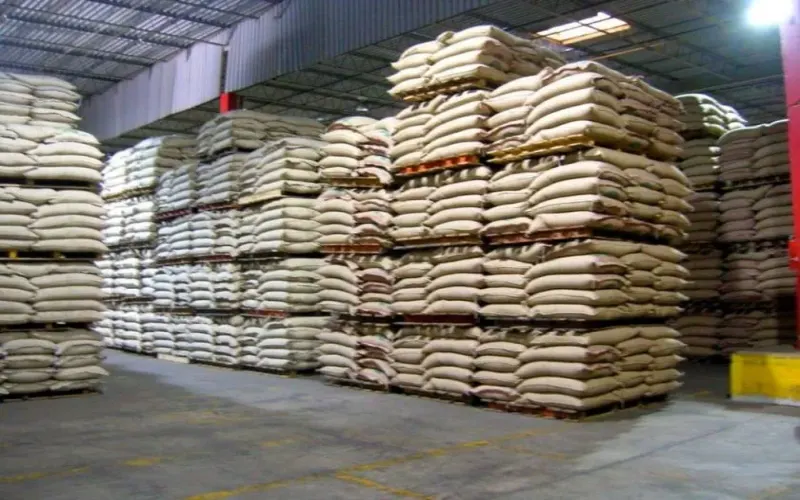
Uganda's coffee exports fell by 30% in March; the government injects funds to boost production and targets the Chinese market.
The latest monthly report from the Uganda Coffee Development Authority shows that coffee exports in March amounted to 329,686 60-kg bags, generating revenue of 246.8 billion shillings (approximately US$64.74 million), a marked decline from February, with a year-on-year drop of 32.4% in volume and a 9.45% decrease in revenue. Heavy rains triggered by El Niño battered the main harvest season, causing cherry drop and reduced yields. Nevertheless, on a coffee-year basis, total exports still reached 5.9 million bags, with revenue up 16.91% year on year. Robusta prices rose amid tight supply from Vietnam, and Uganda benefited as a result. The government is seeking funding to establish a traceability system and improve mechanization, while the president has set a target of 20 million bags by 2025. Uganda is also bullish on China's 15%-20% annual growth in coffee consumption and hopes to expand exports to China. [more…]
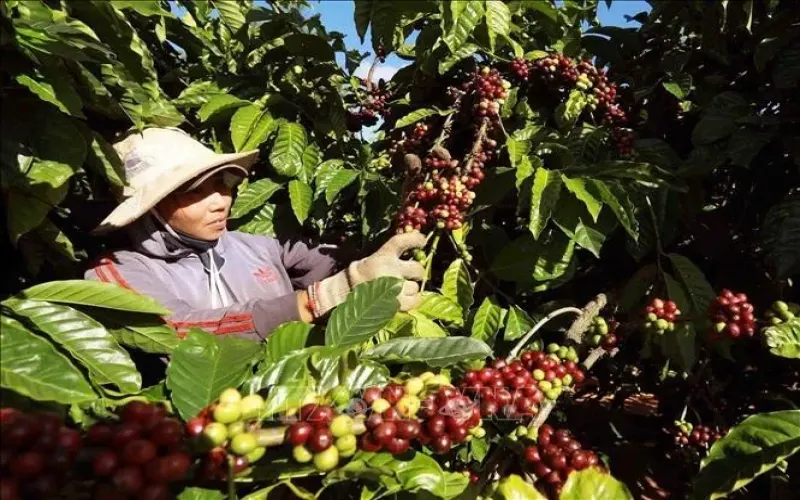
Vietnam's coffee export revenue reached 3.22 billion USD in the first half of the year, yet exporter Vinacafe reported losses, with cumulative losses exceeding one trillion dong.
In the first half of 2024, Vietnam's exports of agricultural, forestry and fishery products reached about US$29.2 billion, up 19% year on year, with coffee standing out at US$3.22 billion in export value; although export volume fell 10.5%, a 50.4% rise in the average price drove the growth. However, Vietnam's largest coffee company, Vinacafe, has reported losses; although it achieved its first profit in 2023, its cumulative losses still exceed 1.09 trillion Vietnamese dong. A combination of aging coffee plantations, severe weather, rising fertilizer prices and the Red Sea crisis is putting pressure on Vietnam's coffee industry. This article takes you behind the joys and worries of Vietnam's coffee exports. [more…]